
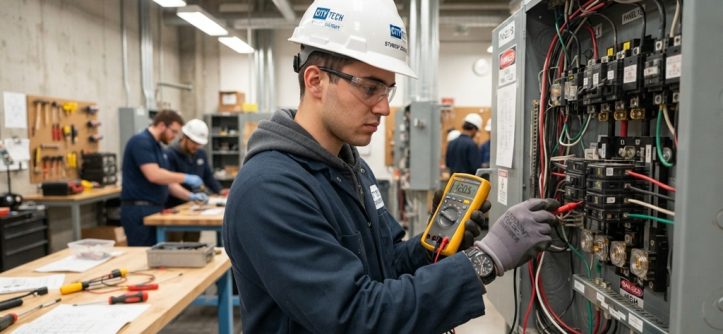
Yes, vocational training programs are worth your time for most people who want a specific job skill fast. They cost less than a four-year degree, take less time, and often lead straight to a paycheck. But the answer depends on your goals, your field, and how much you value a traditional college experience.
If you’re weighing trade school against a university degree, or you’re not sure college is right for you at all, this guide breaks down the real costs, benefits, and trade-offs. You’ll get a clear picture of who these programs work best for and how to pick a good one.
Let’s look at what vocational training actually involves before we get into whether it pays off.
What Are Vocational Training Programs?
Vocational training programs teach you the specific skills needed for one job or career field. Instead of general education classes, you spend most of your time on hands-on practice in your chosen trade.
These programs cover fields like:
- Electrical work, plumbing, and HVAC
- Automotive repair and diesel technology
- Culinary arts and baking
- Medical assisting, dental hygiene, and phlebotomy
- Cosmetology and esthetics
- IT support and cybersecurity fundamentals
- Welding and manufacturing
Most programs run between six months and two years. You can find them at community colleges, trade schools, technical institutes, and even some high schools through career and technical education (CTE) tracks. Many also include an apprenticeship or internship, so you graduate with real work experience, not just a certificate.
Who Benefits Most From Vocational Training?
Vocational training works best for people who know what job they want and want to start working quickly. If you already have a clear career target say, becoming an electrician or a dental hygienist this path gets you there faster than a traditional degree.
It also suits people who learn better by doing than by sitting through lectures. Vocational programs are built around practice, not theory. You spend your days working with tools, equipment, or real clients instead of writing essays.
This route also makes sense if you want to avoid heavy student debt. Because programs are shorter and often cheaper, you can start earning money and paying off any loans much sooner than someone finishing a four-year degree.
How Vocational Training Compares to a Four-Year Degree
The biggest differences come down to cost, time, and what kind of jobs each path opens up. Here’s how they stack up.
Cost Comparison
Vocational programs typically cost far less than a bachelor’s degree. According to industry data from the U.S. Bureau of Labor Statistics, many certificate programs cost a fraction of what four years at a public university costs. You’ll still need to check tuition at your specific school, since prices vary widely by program and location.
Time to Complete
Most vocational programs take six months to two years. A bachelor’s degree usually takes four years, sometimes longer. If you want to start earning sooner, the shorter timeline matters a lot.
Career Outcomes
A four-year degree opens doors to roles that specifically require one, like many corporate, legal, or research positions. Vocational training opens doors to skilled trade and technical roles that often don’t require a degree at all and some of these roles pay well above the national median wage.
Neither path is automatically “better.” The right choice depends on the career you’re aiming for and what that career requires.
The Strategic Value of Modern Vocational Education
Beyond traditional metrics like lower tuition and faster program completion, vocational training delivers systemic advantages that are frequently overlooked such as immediate industry integration, specialized technical mastery, and minimal career debt. However, choosing between a specialized trade and a traditional four-year degree requires careful long-term planning. Before committing to a technical track, it is essential to map out an academic roadmap that works to ensure your chosen educational milestones align directly with your overarching career trajectory.
You Graduate With Job-Ready Skills
Employers in skilled trades often say they’d rather hire someone who can do the job on day one than someone with only classroom theory. Vocational programs are designed around this exact need, so you leave with practical, employer-ready skills.
You Take On Less Debt
Because tuition is lower and programs are shorter, you borrow less money overall. Many students graduate with little to no debt, which gives you more financial freedom early in your career.
Many Skilled Trades Face High Demand
Industry groups have reported ongoing shortages in trades like electrical work, plumbing, and welding, especially as experienced workers retire. This demand can mean better job security and stronger negotiating power for wages.
You Can Often Combine It With Further Education Later
A lot of people assume vocational training closes the door on college. It doesn’t. Many trade certifications and associate degrees transfer credit toward a bachelor’s degree later, so you can start working now and study further down the road if your goals change.
The Drawbacks You Should Know About
Vocational training isn’t the right fit for everyone, and it’s worth knowing the downsides before you commit.
Some careers simply require a four-year degree or higher, so vocational training won’t get you there. Fields like law, medicine, engineering, and most corporate management roles need a bachelor’s degree at minimum, often followed by more schooling.
Program quality also varies a lot between schools. Some for-profit trade schools charge high tuition but offer weak job placement support, so research matters just as much here as it does with any college.
Finally, some employers and industries still weigh a four-year degree more heavily, even for roles where it isn’t strictly required. This is changing as more companies drop degree requirements, but it hasn’t disappeared everywhere.
How to Choose the Right Vocational Program

Not all vocational programs deliver the same value, so a little research before you enroll saves you time and money.
Check Accreditation and Licensing Requirements
Confirm the school is accredited and that its program meets any licensing requirements for your field. Trades like electrical work, plumbing, and cosmetology usually require a state license, and only certain programs qualify you to sit for that exam.
Ask About Job Placement Rates
A good program tracks and shares its graduate employment data. Ask directly what percentage of recent graduates found work in their field within six months of finishing.
Talk to Recent Graduates
Reach out to people who completed the program in the last year or two. Ask them what surprised them, what they wish they’d known, and whether the training matched what employers actually expect.
Compare Total Cost, Not Just Tuition
Factor in tools, uniforms, exam fees, and any required equipment. Some programs list a low tuition price but add significant costs once you’re enrolled.
Is Vocational Training Worth It in 2026?
Vocational training is worth it right now for a specific reason: the skills gap in trades keeps growing while college enrollment in many traditional fields has leveled off. This shift is pushing more employers to actively recruit trade-certified workers and, in some cases, offer signing bonuses or paid apprenticeships to attract them.
At the same time, more high schools and career centers now offer dual-enrollment options that let students start vocational training before they even finish their diploma. This head start makes the return on investment even stronger, since students can graduate high school already partway through a trade certification.
If you’re a student or a parent thinking about this path, the current job market genuinely favors people with practical, hands-on skills not just people with a degree.
Frequently Asked Questions
Is vocational training the same as trade school?
Yes, in most cases these terms mean the same thing. Both describe programs focused on teaching hands-on skills for a specific job, rather than general academic education.
Can I get financial aid for vocational training?
Yes, many accredited vocational programs qualify for federal financial aid, including grants and loans. Check with the school’s financial aid office to confirm what’s available for your specific program.
Do employers respect vocational training as much as a college degree?
It depends on the industry. In skilled trades, healthcare support roles, and technical fields, employers often value hands-on certification just as much as, or more than, a degree, since it shows you can do the job immediately.
How much can I earn after completing vocational training?
Earnings vary widely by trade, location, and experience level. Many skilled trade careers pay solid wages that grow quickly with experience and additional certifications, so it’s worth researching salary data for your specific field before enrolling.
Can I switch careers later if I start with vocational training?
Yes, many vocational certifications and credits transfer toward further education if your goals change. Starting with trade training doesn’t lock you out of college or a different career path down the road.
Final Thoughts
Vocational training programs are worth your time if you want a faster, more affordable path to a specific career. They work especially well for hands-on learners who already know what job they want and would rather start earning than spend four years in a classroom.
They’re not the right fit for every career path, especially ones that legally require a four-year degree or more. But for skilled trades, healthcare support roles, and many technical fields, vocational training offers real job security, lower debt, and a quicker start to your working life.
Before you enroll anywhere, check the school’s accreditation, ask about job placement rates, and talk to people who’ve already gone through the program. That research is what turns a good decision into a great one.




Leave a Reply