
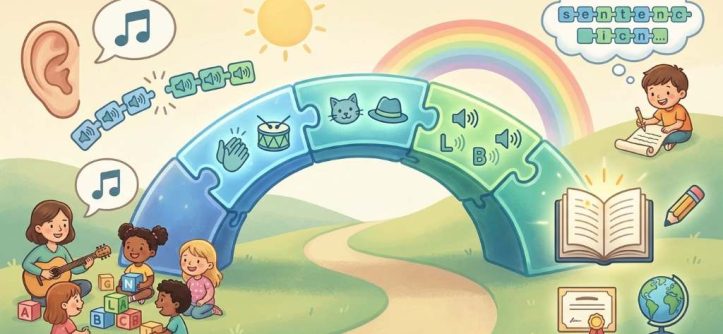
Reading does not start with books. It starts with sound. Before children recognize letters or words, they must first understand how language works at the sound level. Research from the National Institute of Child Health and Human Development shows that phonological awareness is one of the strongest predictors of early reading success. In fact, children with strong sound awareness skills are far more likely to become confident readers later on. This is why many educators emphasize early language development, including resources like A link that support foundational literacy skills.
Understanding the Role of Early Literacy Skills
Phonological awareness sits at the core of early literacy. It refers to the ability to hear, identify, and manipulate sounds in spoken language. These sounds include words, syllables, and individual phonemes.
Children do not learn this skill naturally without guidance. Instead, they develop it through structured exposure, practice, and interaction. That is why parents and teachers often explore B link to strengthen early reading foundations.
Unlike phonics, which connects sounds to written letters, phonological awareness focuses only on listening and speaking. Therefore, it builds a strong base before formal reading begins.
What Is Phonological Awareness
Phonological awareness is a broad skill set that includes several layers of sound recognition.
Key Components of Phonological Awareness
- Word awareness
Children understand that sentences are made of individual words. - Syllable awareness
They can break words into parts such as clap ping for clapping. - Onset and rime recognition
Kids recognize parts of words like c at or b at. - Phonemic awareness
This is the most advanced level. Children can identify and manipulate individual sounds like changing cat to hat.
Each level builds on the previous one. As a result, children gradually gain control over spoken language.
Why Phonological Awareness Matters
Phonological awareness is not just another classroom skill. It directly shapes how well a child learns to read and write.
It Builds the Foundation for Reading
Reading requires decoding. Children must connect sounds to letters. Without sound awareness, this process becomes difficult.
For example, a child who cannot hear the difference between bat and pat will struggle to match sounds with letters. However, when phonological awareness is strong, decoding becomes easier and faster.
It Supports Spelling Development
Spelling depends on the ability to break words into sounds. Children who can hear each sound in a word can spell more accurately.
Instead of memorizing words, they learn patterns. This approach improves long term writing skills.
It Improves Vocabulary Growth
Children who understand sound patterns can recognize new words more easily. As a result, they expand their vocabulary faster.
Additionally, they become more confident in speaking and listening.
It Reduces Reading Difficulties
Studies show that poor phonological awareness is linked to reading difficulties such as dyslexia. Early intervention can prevent many of these challenges.
When children receive support early, they are more likely to succeed academically.
The Science Behind Phonological Awareness
Cognitive science explains why phonological awareness plays such a critical role.
The brain processes spoken language before written language. Therefore, children must first master sounds before they can understand symbols.
Neuroscience research shows that strong phonological skills activate reading related areas of the brain. These areas handle decoding, comprehension, and fluency.
In contrast, weak sound awareness leads to slower processing. This delay makes reading more effortful and less enjoyable.
When Should Children Learn Phonological Awareness
Children begin developing phonological awareness from infancy. However, structured learning typically starts between ages three and five.
Early Signs of Development
You can observe phonological awareness when a child:
• Enjoys rhymes
• Claps syllables in words
• Recognizes similar sounding words
• Plays with sounds in songs
These early signs indicate readiness for more advanced skills.
Critical Learning Period
The preschool and kindergarten years are the most important. During this time, children absorb language quickly.
Therefore, consistent exposure during this stage leads to stronger outcomes.
Practical Ways to Teach Phonological Awareness
Parents and educators can use simple activities to build these skills. These methods do not require special tools or complex materials.
1. Rhyming Games
Rhyming helps children recognize sound patterns.
Examples include:
• Cat, hat, bat
• Dog, log, fog
Ask children to identify or create rhyming words.
2. Syllable Clapping
Break words into parts using claps.
For example:
Ap ple has two claps
Ba na na has three claps
This activity builds rhythm and sound segmentation.
3. Sound Matching
Ask children to find words that start with the same sound.
Example:
Sun, sand, and snake all start with s.
This improves initial sound recognition.
4. Phoneme Blending
Say sounds separately and ask the child to combine them.
Example:
C a t becomes cat
This skill directly supports reading.
5. Phoneme Segmentation
Ask children to break words into individual sounds.
Example:
Dog becomes d o g
This strengthens spelling ability.
Common Challenges Children Face
Not all children develop phonological awareness at the same pace. Some may face difficulties that require extra support.
Difficulty Hearing Sound Differences
Some children struggle to distinguish similar sounds. This issue affects both reading and spelling.
Limited Exposure to Language
Children who hear fewer words at home may have weaker sound awareness. Regular conversation and reading can help.
Learning Disorders
Conditions such as dyslexia often involve phonological processing challenges. Early assessment and intervention are essential.
How Teachers Support Phonological Awareness
Teachers use structured methods to build these skills in the classroom.
Guided Instruction
Educators introduce skills step by step. They start with simple concepts and gradually increase complexity.
Repetition and Practice
Children need repeated exposure to master sound patterns. Teachers use daily exercises to reinforce learning.
Interactive Learning
Activities like songs, storytelling, and group games make learning engaging and effective.
The Link Between Phonological Awareness and Academic Success
Phonological awareness affects more than reading. It influences overall academic performance.
Reading Fluency
Children with strong sound skills read more smoothly. They spend less time decoding and more time understanding.
Writing Skills
They can spell words accurately and express ideas clearly.
Confidence in Learning
Success in reading builds confidence. As a result, children participate more actively in school.
Phonological Awareness vs Phonics
Many people confuse these two terms. However, they serve different purposes.
Phonological awareness focuses on sounds only. It does not involve letters.
Phonics connects sounds to written symbols. It teaches children how to read and write words.
Both skills are essential. However, phonological awareness must come first.
Related:
How Can I Learn More Effectively?
How to Prepare Kids for Exams: A Complete Guide for Parents and Students
Long Term Benefits of Phonological Awareness
Learning phonological awareness has lasting effects beyond early childhood.
Better Reading Comprehension
When decoding becomes automatic, children can focus on meaning.
Strong Communication Skills
Understanding sound patterns improves speaking and listening abilities.
Lifelong Learning Advantage
Strong literacy skills open doors to education and career opportunities.
How Parents Can Support Learning at Home
Parents play a key role in developing phonological awareness.
Talk Frequently
Engage children in daily conversations. Ask questions and encourage responses.
Read Aloud
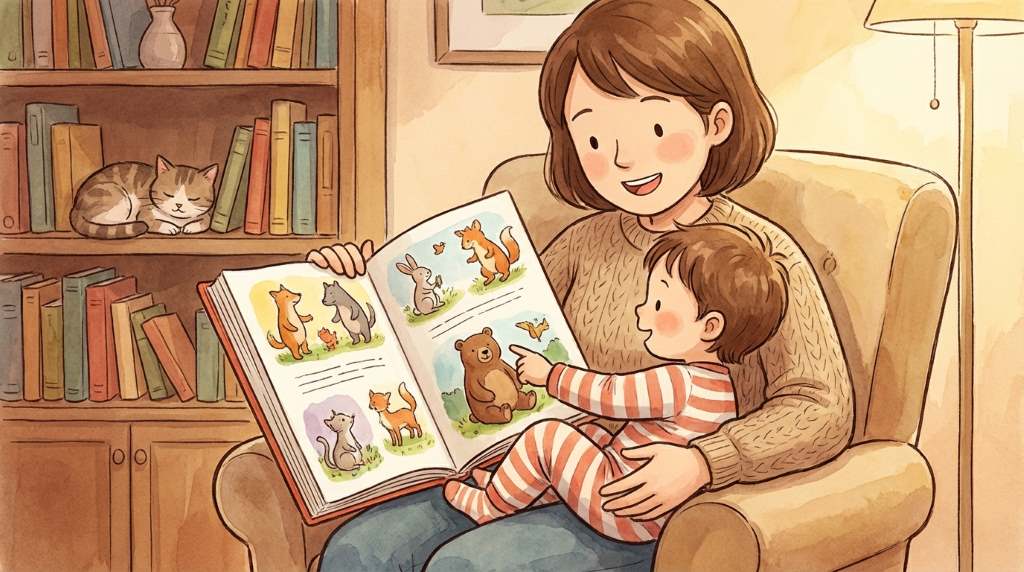
Reading exposes children to sound patterns and vocabulary.
Use Songs and Rhymes
Music makes learning fun and memorable.
Encourage Word Play
Play with sounds during daily activities. For example, turn grocery shopping into a sound game.
Signs Your Child Needs Extra Support
Watch for these indicators:
• Difficulty recognizing rhymes
• Trouble breaking words into sounds
• Slow progress in reading
• Avoidance of language activities
If these signs persist, consider consulting a specialist.
Technology and Phonological Awareness
Digital tools can support learning when used correctly.
Educational apps provide interactive exercises. However, they should not replace human interaction.
Children learn best through conversation, play, and guided practice.
Conclusion
Phonological awareness is the foundation of reading success. It shapes how children understand language, decode words, and communicate effectively. Without it, reading becomes a struggle instead of a skill.
The good news is that this ability can be taught and strengthened through simple, consistent activities. Parents and educators who focus on sound awareness give children a powerful advantage in learning.
Start early, stay consistent, and make learning enjoyable. Strong phonological awareness today leads to confident readers tomorrow.
FAQs
What age should children start learning phonological awareness
Children begin developing these skills as early as age three. However, structured learning usually starts in preschool.
Is phonological awareness the same as phonics
No. Phonological awareness focuses on sounds only, while phonics connects sounds to letters.
Can phonological awareness be improved later
Yes. Although early learning is best, older children can still develop these skills with proper support.
Why do some children struggle with phonological awareness
Factors include limited language exposure, hearing difficulties, or learning disorders such as dyslexia.
How long does it take to develop phonological awareness
Development varies. With consistent practice, many children show improvement within a few months.

Leave a Reply