

AI, data, and green energy will drive most future job growth. The World Economic Forum expects a net gain of 78 million jobs worldwide by 2030. Roles in tech, healthcare, and renewable energy will lead the way, while many clerical and repetitive jobs will shrink.
If you are a student or you are planning your career path, this shift matters to you. The subjects you study now, and the skills you build outside class, will decide how ready you are for this new job market.
This guide breaks down which future jobs will dominate the market, why they are growing, and what you can start doing today to prepare for them.
Why the Job Market Is Changing So Fast
Three forces are reshaping work: artificial intelligence, the shift to clean energy, and an aging global population. Each one is creating new roles while making older ones obsolete.
According to the World Economic Forum’s Future of Jobs Report 2025, based on a survey of over 1,000 companies across 55 economies, technology will create about 170 million new jobs by 2030. At the same time, it will displace around 92 million existing roles. That still leaves a healthy net increase, but the types of jobs available will look very different.
AI and Automation Are Reshaping Daily Work
AI tools now handle tasks that used to need a full-time employee. Basic data entry, simple customer support, and routine scheduling are increasingly automated. This does not mean fewer jobs overall. It means the jobs that remain will need people who can work with AI tools, not against them.
The Green Transition Is Creating New Industries
Governments and companies are investing heavily in renewable energy, electric vehicles, and sustainable construction. Each of these industries needs engineers, technicians, and project managers who understand both the technology and the environmental regulations around it.
Aging Populations Are Driving Demand in Care Work
Many countries, including much of Europe, East Asia, and North America, have aging populations. This is fueling steady demand for nurses, therapists, elder-care workers, and mental health professionals. Unlike tech roles, these jobs are hard to automate because they depend on human judgment and empathy.
Future Jobs That Will Dominate the Market Soon
These roles show up again and again in labor market research as the fastest-growing categories through 2030.
1. AI and Machine Learning Specialists
Every industry now wants people who can build, train, or manage AI systems. This includes machine learning engineers, AI researchers, and prompt engineers who fine-tune how AI tools respond to real business problems.
What to study: computer science, data science, applied mathematics, or statistics.
2. Big Data Specialists and Analysts
Companies collect more data than they know what to do with. Big data specialists turn raw numbers into decisions. Analysts identify patterns that guide marketing, product design, and financial strategy.
What to study: data analytics, statistics, business analytics, or information systems.
3. Fintech Engineers
Fintech engineers build the software behind digital banking, mobile payments, and blockchain platforms. Demand is rising as traditional banks race to compete with fintech startups.
What to study: computer science, software engineering, or finance with a technical focus.
4. Renewable Energy and Green Technology Engineers
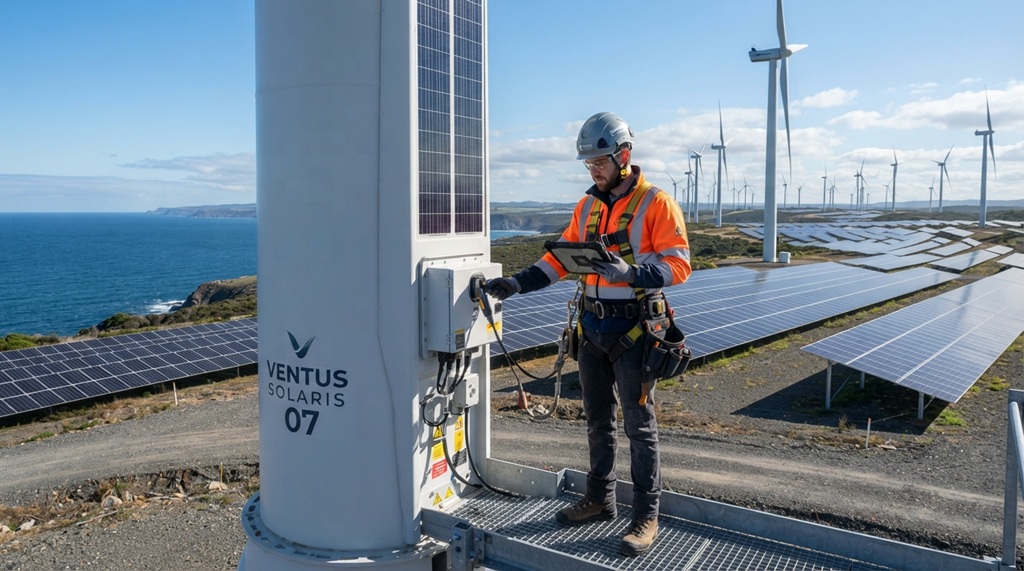
Solar, wind, and battery storage projects need engineers, technicians, and project managers who understand both the hardware and the environmental policy behind it. This sector is one of the fastest-growing in the world right now, according to industry reports.
What to study: environmental engineering, mechanical engineering, or renewable energy systems.
5. Healthcare and Care Economy Roles
Nurses, physiotherapists, mental health counselors, and elder-care workers are in growing demand almost everywhere. These jobs rely on human connection, so they are much harder to automate than office-based roles.
What to study: nursing, psychology, social work, or public health.
6. Cybersecurity Specialists
As more of daily life moves online, the risk of cyberattacks grows with it. Security management specialists rank among the fastest-growing roles in recent labor market surveys, and companies of every size now need people who can protect their systems.
What to study: cybersecurity, computer science, or information technology.
7. Software and Application Developers
Despite predictions that AI would replace coders, developer roles remain in high demand. Someone still needs to design, test, and maintain the software that AI tools run on.
What to study: software engineering, computer science, or a coding bootcamp paired with a strong portfolio.
Jobs That Are Likely to Decline
Knowing which roles are shrinking is just as useful as knowing which ones are growing. Clerical and administrative roles, such as data entry clerks, bank tellers, and cashiers, are expected to decline sharply as automation takes over routine, repetitive tasks.
This does not mean these fields disappear completely. It means the number of people needed in these roles will shrink, so competition for the jobs that remain will get tougher. If your current study path leads toward one of these roles, consider adding a technical or people-focused skill on top of it to stay competitive.
How Students Can Build a Future-Proof Career Strategy
While choosing an aligned major offers a strong foundation, long-term career resilience demands an adaptable blend of technical expertise, human-centered skills, and commitment to continuous learning. Rapid technological shifts dictate which emerging industries will dominate tomorrow’s workforce, yet securing immediate entry often hinges on selecting the right educational credential. If you are currently weighing your academic options, explore degree vs diploma: Which one gets hired faster? to align your learning path with real-world industry hiring timelines and stay ahead of evolving market demands.
Build Digital and Data Literacy Early
You do not need to become a programmer to benefit from digital skills. Basic coding, spreadsheet analysis, and an understanding of how AI tools work will help you in almost any career path.
Strengthen Skills That AI Cannot Easily Replace
Critical thinking, communication, leadership, and emotional intelligence are consistently ranked among the most in-demand skills by employers. These are the skills that let you manage AI tools, rather than compete with them.
Get Comfortable With Lifelong Learning
Nearly 40% of the skills needed for future jobs will be new or evolving skills, according to the World Economic Forum. This means your degree is a starting point, not a finish line. Short courses, certifications, and on-the-job learning will matter throughout your career.
Gain Real Experience Through Internships and Projects
Employers want proof that you can apply what you learn. Internships, part-time projects, freelance work, and even personal projects you post online all show that you can do the work, not just talk about it.
A Practical Tip Most Career Guides Skip
Most articles tell you to “pick a growing field” and stop there. But a smarter move is to build what career experts sometimes call a T-shaped skill set: deep expertise in one area, paired with a working knowledge of two or three adjacent fields.
For example, a nursing student who also understands basic data analysis becomes far more valuable to a hospital moving toward data-driven patient care. A marketing student who understands the basics of AI tools becomes more useful than one who only knows traditional marketing. This combination is often what separates candidates who get hired quickly from those who struggle, even within the same “safe” field.
Frequently Asked Questions
Which future jobs will be most in demand by 2030?
AI and machine learning specialists, big data analysts, fintech engineers, renewable energy technicians, and healthcare workers are expected to see the fastest growth by 2030. Frontline roles, such as delivery workers and construction staff, are also expected to grow in raw numbers, according to the World Economic Forum.
Will AI replace most jobs in the future?
AI will change how many jobs work, but it is not expected to eliminate jobs overall. Labor market research points to a net increase in global jobs by 2030, even after accounting for roles that AI automates.
What should I study now to prepare for future jobs?
Focus on a subject you are genuinely interested in, then add digital literacy, data skills, and communication skills on top of it. This combination applies across almost every growing field, from healthcare to engineering to business.
Are trade and care jobs also part of the future job market?
Yes. Skilled trades, construction, and care economy roles like nursing and elder care are expected to grow significantly in raw numbers, even though they get less media attention than tech jobs.
How can students start preparing today?
Start with free or low-cost online courses in data skills or your field of interest, take on internships as early as possible, and build a small portfolio of real projects. Consistency matters more than picking the “perfect” starting point.
Final Thoughts
The future job market will reward people who combine deep knowledge in one field with practical digital and human skills. AI, data, healthcare, and green energy are set to lead this growth, but almost every industry will need people who can adapt quickly.
You do not need to predict the future perfectly. You need to build a flexible, well-rounded skill set now, so you are ready for whichever direction the job market takes next.




Leave a Reply