
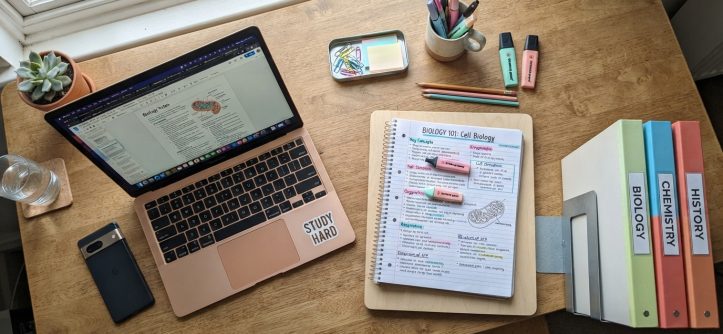
A strong academic portfolio combines your best work, clear evidence of growth, and a narrative that shows who you are as a student. It’s not just a folder of good grades and certificates. Think of it as a curated story that shows admissions officers, scholarship committees, or employers what you’re actually capable of.
Here’s the thing most students get wrong. They assume a portfolio just needs impressive achievements. But selection committees see hundreds of portfolios stacked with awards and test scores every single cycle. What actually stands out is a portfolio that shows depth, reflection, and a clear sense of direction. It’s not just a list of things you’ve won.
This guide walks through exactly what to include and how to organize it. It also covers the mistakes that quietly weaken otherwise strong portfolios. Whether you’re applying to college, a graduate program, or a competitive scholarship, these steps apply.
What an Academic Portfolio Actually Includes
An academic portfolio typically includes your best academic work, extracurricular achievements, personal reflections, and supporting documents like recommendation letters or transcripts. The exact mix depends on what you’re applying for, but most strong portfolios cover the same core categories.
Core Academic Work
This includes essays, research papers, projects, or lab reports that represent your strongest thinking. Choose work that shows real intellectual effort, not just a high grade. Honestly, a B+ paper with original analysis often says more about you than an A paper that simply followed instructions well.
Extracurricular and Leadership Evidence
Clubs, volunteer work, part-time jobs, and leadership roles all belong here. This matters especially when you can show impact rather than just showing up. Don’t just list that you were a member of a club. Explain what you built, organized, or actually changed while you were involved.
Personal Reflection or Statement
Most portfolios need a short written reflection that ties everything together and explains your goals. This is where you connect the dots between your academic work, your activities, and where you’re headed next. It gives the reader context they simply can’t get from a transcript.
Supporting Documents
Transcripts, test scores, recommendation letters, and certificates round out the portfolio. They provide third-party validation of your claims, which matters. But they should support your narrative, not replace it. A portfolio that’s all documents and no story tends to blend into the pile.

How to Choose Which Work to Include
The best portfolio pieces show growth, original thinking, or a skill directly relevant to what you’re applying for, not just your highest grades. Quality and relevance matter far more than quantity, and it’s worth saying that twice.
Start by making a long list of everything you could possibly include. Then cut it down ruthlessly to the pieces that genuinely represent your best thinking. A common mistake is including too much. A portfolio with 15 mediocre pieces is weaker than one with five excellent ones. It forces the reader to dig for what actually matters.
When you’re choosing between two similar pieces, pick the one that shows more of your own reasoning. Admissions committees and scholarship reviewers are trying to understand how you think, not just what you know. A project where you explain why you chose a particular approach often reveals more than a polished final product with no visible process behind it. That includes the dead ends you hit along the way.
How to Organize Your Portfolio So It’s Easy to Review
An effective portfolio is organized around a clear narrative or theme, not chronologically or by category alone. Reviewers often spend just a few minutes on each portfolio. The structure needs to make sense at a glance, not after a careful read-through.
Start with a short introduction or table of contents that tells the reviewer what they’re about to see and why it matters. Then group your work in a way that builds a case for who you are. Don’t just list items in the order you happened to finish them. Say you’re applying to a program focused on environmental science. You’d lead with your strongest science-related project, then show supporting activities that reinforce that same interest.
While curating relevant experience for your academic resume, target roles that offer maximum financial and professional return; explore What Accounting Internship Pay the Most: A Complete Guide to High Paying Opportunities to maximize your career trajectory early on.
Keep formatting clean and consistent throughout. Use the same fonts, headers, and layout style across every section. A portfolio that looks visually disorganized can undercut even genuinely strong content. It quietly signals a lack of attention to detail before the reviewer has even read a word.
How to Write Reflections That Add Real Value
Strong reflections explain the reasoning, challenges, and lessons behind your work, not just a summary of what you did. This is the section where most students underdeliver. It’s tempting to just restate the project instead of actually sitting with what it taught you.
A useful structure works well here. Briefly describe the work, then spend most of the reflection on what you learned, what surprised you, or what you’d do differently. Instead of writing “I led a fundraiser that raised $2,000,” try something with more texture. Explain what didn’t work in your first approach, how you adjusted, and what that taught you about managing a team.
Avoid generic lines like “this experience taught me the value of hard work.” Reviewers read that phrase constantly, and honestly, it tells them almost nothing about you. Name the actual skill or insight you gained instead. Tie it to a specific moment or decision from the experience itself.
An Overlooked Strategy: Build Your Portfolio Around a Through Line, Not a Checklist
Most advice on academic portfolios focuses on what categories to fill: essays, activities, recommendations. But it treats each piece as a separate box to check, and that’s a missed opportunity. A stronger approach is building the entire portfolio around a single through line. That’s some specific interest, question, or value that connects your choices across every category.
Here’s why this matters. Reviewers aren’t just evaluating individual achievements in isolation. They’re trying to predict how you’ll show up in their program or organization. A portfolio with a clear through line makes that prediction far easier to make. If your academic work, extracurriculars, and reflection all connect back to a genuine interest, the portfolio reads as a coherent picture of a real person. That interest might be public health, storytelling, or systems thinking. It won’t come across as a random pile of accomplishments.
So how do you find your through line? Look back at your strongest pieces of work and ask what they actually have in common, beyond just being impressive. It’s often not the subject matter itself, but a pattern in how you approach problems. Maybe you always ask “why” before “how.” Maybe you’re consistently drawn to collaborative projects over solo ones. Once you spot that pattern, you can intentionally shape the rest of your portfolio around it. That’s better than hoping the reviewer connects the dots on their own.

Common Mistakes That Weaken an Otherwise Strong Portfolio
The most common portfolio mistakes are including too much material, writing vague reflections, and failing to tailor the portfolio to the specific program or opportunity. Each one is fixable with a careful review before you hit submit.
Overloading the portfolio is the most frequent issue. Students often worry that leaving something out will hurt their chances, so they cram everything in. In reality, a shorter portfolio focused on your strongest, most relevant work almost always performs better. It beats a longer one padded with average pieces. Vague reflections come in a close second. Students describe what happened without ever explaining what it revealed about their thinking or growth.
Failing to tailor the portfolio is easy to overlook but costly. A portfolio built for one specific scholarship should look noticeably different from one built for a different opportunity. The through line and selected work should reflect what that particular reviewer actually cares about. Sending the exact same portfolio to every application usually signals less effort than one that’s been adjusted, even slightly, for its audience.
Frequently Asked Questions
How long should an academic portfolio be?
There’s no universal length, but most strong portfolios run somewhere between 5 and 15 pages of actual content. That doesn’t count supporting documents like transcripts. The goal is to include only your strongest, most relevant material rather than hitting a specific page count.
Should I include work from every subject I’ve studied?
No, prioritize work that’s relevant to your through line or the specific program you’re applying to. This holds even if it means leaving out strong work from unrelated subjects. Including everything you’ve ever done tends to dilute the portfolio rather than strengthen it.
Can I update my portfolio for different applications?
Yes, and honestly, you should. Tailoring your portfolio to highlight the work most relevant to each specific opportunity almost always performs better than sending an identical portfolio everywhere.
Do I need a portfolio if I’m applying to a school that doesn’t require one?
It can still help. A well-built portfolio gives you material to draw from for essays, interviews, and scholarship applications, even if it’s never formally submitted. Many students find that building one clarifies their own goals and strengths along the way.
How often should I update my portfolio?
Review and update it every few months, or whenever you finish a significant project. This way, it always reflects your most current and relevant work. Waiting until right before a deadline often means leaving out strong recent work simply because you forgot it existed.
Conclusion
A strong academic portfolio isn’t about collecting every achievement you’ve ever earned. It’s about selecting your best work, explaining what it reveals about how you think, and organizing it around a clear sense of who you are. Start by identifying your through line. Choose work that genuinely supports it, and write reflections that go beyond summary into real insight. A focused, well-organized portfolio will almost always beat a longer one packed with disconnected accomplishments.


Leave a Reply