

Many students lose marks not because they lack knowledge but because they fail to organize their answers under pressure. Studies suggest that over 60% of exam errors come from poor structure and time mismanagement rather than lack of understanding. Therefore, knowing how to structure an essay exam answer under strict time limits can significantly boost your performance. This guide explains a clear, practical system you can follow even when the clock is ticking. It focuses on speed, clarity, and impact so you can present your ideas effectively without stress.
Why Structure Matters in Timed Exams
A strong structure helps the examiner follow your argument quickly. It also shows that you understand the topic clearly. Moreover, a well-structured answer saves time because you avoid unnecessary thinking while writing. When time is limited, structure acts like a roadmap. It guides your thoughts and keeps your answer focused.
Key Benefits of Good Structure
- Improves clarity and readability
- Helps you stay on topic
- Saves valuable time
- Increases marks through better presentation
Understand the Question First
Before writing anything, spend 1–2 minutes understanding the question. Many students skip this step, yet it is critical. Carefully identify what the question asks. Look for directive words like:
- Analyze
- Compare
- Discuss
- Evaluate
Each word requires a different approach. For example, “compare” needs similarities and differences, while “evaluate” needs judgment and reasoning.
Quick Tip
Underline keywords mentally or on paper. This helps you stay focused throughout your answer.
Plan Before You Write
Even under strict time limits, planning saves time in the long run. Spend 3–5 minutes outlining your answer. This step prevents confusion later.
Simple Planning Method
Use this quick structure:
- Introduction idea
- 2–4 main points
- Supporting examples
- Conclusion idea
This outline acts as your guide while writing.
Use the Proven Essay Structure
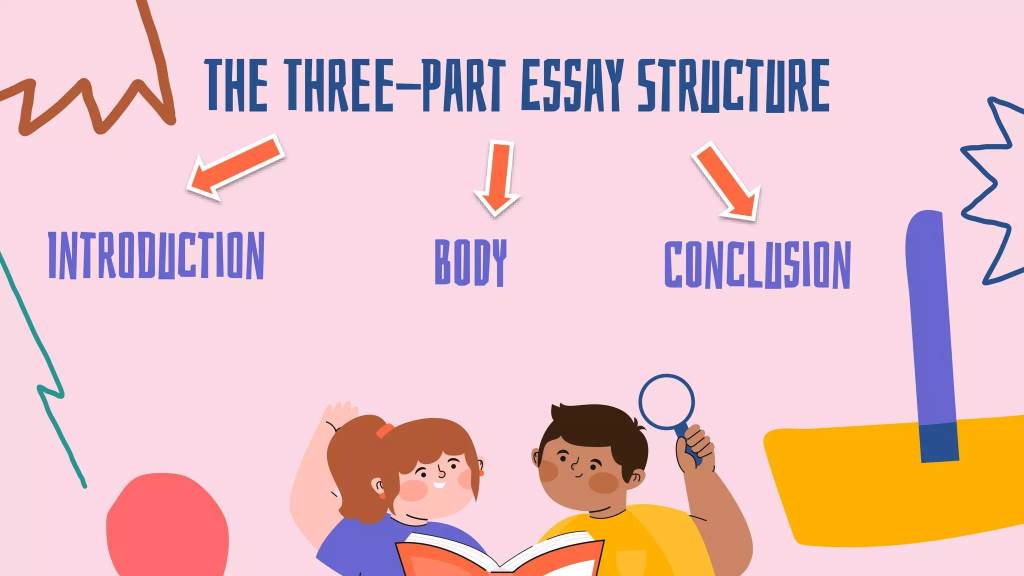
Every strong essay follows a simple format. Stick to this structure for clarity and efficiency.
1. Introduction (10–15% of time)
Start with a direct answer to the question. Then briefly mention your main points. Keep it short and clear.
Example:
“This essay discusses three key causes of climate change, including industrial emissions, deforestation, and urbanization.”
2. Body Paragraphs (70–80% of time)
Each paragraph should focus on one main idea. Use this mini-structure:
- Topic sentence
- Explanation
- Example
- Link back to question
3. Conclusion (10% of time)
Summarize your main points. Avoid introducing new ideas. End with a clear final statement.
Apply the PEEL Method
The PEEL method works well in timed exams. It keeps your writing organized and concise.
PEEL Breakdown
- Point: State your idea
- Evidence: Support it with facts
- Explanation: Explain the evidence
- Link: Connect back to the question
Using PEEL ensures each paragraph stays focused and meaningful.
Manage Your Time Effectively
Time management plays a critical role in exam success. Without it, even a well-structured plan can fail.
Suggested Time Allocation (for 1-hour exam)
- 5 minutes: Planning
- 45 minutes: Writing
- 10 minutes: Review
Always keep track of time. If you spend too long on one section, move on.
Smart Time Tips
- Set mini-deadlines for each section
- Avoid perfectionism
- Keep writing instead of overthinking
Write Clearly and Concisely
Short, clear sentences work best in exams. Long sentences often lead to mistakes and confusion. Therefore, focus on simplicity.
Writing Tips
- Use active voice
- Avoid unnecessary words
- Stick to one idea per sentence
Clear writing improves both speed and readability.
Use Linking Words for Flow
Transitions improve the flow of your essay. They also make your argument easier to follow.
Common Linking Words
- Firstly, secondly, finally
- However, therefore, moreover
- In contrast, similarly
Use them naturally, not excessively.
Related:
How Can I Learn More Effectively?
Avoid Common Mistakes
Many students repeat the same errors under pressure. Avoiding these can improve your score quickly.
Common Errors
- Writing without planning
- Going off-topic
- Spending too much time on introduction
- Ignoring conclusion
- Not reviewing answers
Practice Under Timed Conditions
Practice builds confidence and speed. Simulate real exam conditions to improve your performance.
Practice Strategy
- Set a timer
- Choose past questions
- Follow the exact structure
- Review your answer critically
Over time, your speed and accuracy will improve.
Example of a Structured Answer
Here is a quick example:
Question: “Discuss the impact of social media on students.”
Introduction: Briefly state positive and negative impacts.
Body Paragraph 1: Positive effects (communication, learning)
Body Paragraph 2: Negative effects (distraction, mental health)
Body Paragraph 3: Balanced view
Conclusion: Summarize and give final opinion
This structure ensures clarity and balance.
Final Review Checklist
Before submitting your answer, quickly check:
- Did you answer the question?
- Is your structure clear?
- Are your paragraphs organized?
- Did you include examples?
- Is your conclusion strong?
This step can help you catch simple mistakes.
Conclusion
Mastering how to structure an essay exam answer under strict time limits can transform your results. You do not need more knowledge; you need better organization and time control. By planning quickly, following a clear structure, and practicing regularly, you can write strong answers even under pressure. Start applying these techniques in your next practice session and track your improvement. Consistency will make this process natural and effortless.
FAQs
How long should I spend planning my essay?
Spend 3–5 minutes planning. This saves time later and improves structure.
What is the best structure for exam essays?
Use introduction, body paragraphs, and conclusion. Keep it simple and clear.
How can I write faster in exams?
Practice timed writing, use simple sentences, and avoid overthinking.
Is it necessary to include examples?
Yes, examples strengthen your argument and improve marks.
What if I run out of time?
Focus on completing body paragraphs first, then add a brief conclusion.
References
https://www.ox.ac.uk/students/academic/guidance/skills/planning
https://writingcenter.unc.edu/tips-and-tools/exams/
https://www.indeed.com/career-advice/career-development/how-to-write-an-essay-fast
https://www.scribbr.com/academic-writing/timed-writing/




Leave a Reply