
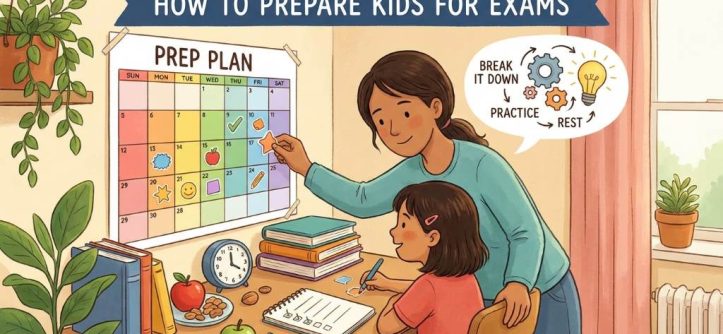
Exams can feel overwhelming for children, but the right preparation can turn stress into confidence. Studies from the American Psychological Association show that nearly 45 percent of students experience exam related anxiety, while research from the National Education Association highlights that structured study routines can improve performance by up to 30 percent. That means preparation is not just helpful, it is essential.
This guide explains how to prepare kids for exams in a practical and supportive way. You will learn proven strategies, simple routines, and mindset shifts that help children stay focused, calm, and ready to perform their best.
The Real Goal of Exam Preparation
Before building a study plan, it is important to understand what exam preparation really means. Many parents focus only on marks, but effective preparation goes deeper.
Children need three things:
- Strong understanding of concepts
- Good study habits
- Emotional stability during exams
When these three elements work together, results improve naturally. So instead of pushing children to study longer hours, focus on helping them study smarter.
Build a Realistic Study Plan

Why Planning Matters
A clear study plan removes confusion. It also gives children a sense of control, which reduces anxiety. Without a plan, kids often procrastinate or feel lost.
How to Create an Effective Plan
Start simple. You do not need a complicated schedule.
Follow these steps:
- List all subjects and topics
- Identify difficult areas first
- Divide topics into small daily tasks
- Set realistic time blocks
- Include breaks and revision time
For example, instead of saying “study math,” say “solve 10 algebra problems.” Clear goals improve focus.
Keep It Flexible
Life happens. Some days will not go as planned. Therefore, allow flexibility so children do not feel discouraged.
Create a Distraction Free Study Environment
Why Environment Matters
Children get distracted easily. A noisy or cluttered space reduces concentration and increases study time.
How to Set Up the Right Space
Choose a quiet, well lit area. Keep only necessary materials on the desk. Avoid placing gadgets nearby unless needed for study.
Helpful tips:
- Use a comfortable chair and desk
- Keep water nearby
- Ensure proper lighting
- Remove unnecessary noise
A clean space helps create a focused mind.
Teach Smart Study Techniques
Studying longer does not always mean studying better. Instead, teach kids techniques that improve retention.
Active Learning
Encourage children to engage with the material.
They can:
- Ask questions while reading
- Summarize topics in their own words
- Teach the concept to someone else
This approach improves understanding and memory.
Use the Pomodoro Technique
This method works well for kids.
Study for 25 minutes, then take a 5 minute break. After four cycles, take a longer break.
It helps maintain focus without burnout.
Practice with Past Papers
Solving past exam papers is one of the most effective strategies.
It helps children:
- Understand exam patterns
- Improve time management
- Build confidence
Regular practice reduces surprises during the actual exam.
Focus on Concept Clarity
Avoid Rote Learning
Memorization without understanding leads to confusion during exams. Instead, focus on clarity.
Encourage children to ask “why” and “how.”
Use Simple Examples
Relate concepts to real life situations. For example, use everyday objects to explain math problems or science ideas.
This makes learning easier and more enjoyable.
Break Down Difficult Topics
Large topics can feel intimidating. Break them into smaller parts and tackle one piece at a time.
Progress builds confidence.
Develop a Consistent Routine
Why Routine Works
Consistency builds discipline. When children study at the same time daily, it becomes a habit.
Create a Daily Rhythm
A balanced routine should include:
- Study time
- Play time
- Meals
- Sleep
Avoid overloading the schedule. Balance is key.
Start Early
Do not wait until the last minute. Early preparation reduces stress and improves retention.
Encourage Healthy Lifestyle Habits
Importance of Sleep
Sleep is essential for memory and focus. According to sleep research, children need 8 to 10 hours of sleep for optimal performance.
Lack of sleep reduces concentration and increases mistakes.
Balanced Nutrition
Food affects brain function. Provide meals that include:
- Fruits and vegetables
- Whole grains
- Protein rich foods
Avoid excessive sugar and junk food, especially during exam periods.
Physical Activity
Exercise improves mood and concentration. Even 20 minutes of physical activity can make a big difference.
Encourage simple activities like walking, playing, or stretching.
Manage Exam Stress and Anxiety
Recognize Signs of Stress
Children may show stress in different ways:
- Irritability
- Lack of focus
- Trouble sleeping
- Loss of appetite
Pay attention to these signs early.
Teach Relaxation Techniques
Simple methods can help:
- Deep breathing
- Short meditation
- Listening to calm music
These techniques reduce anxiety quickly.
Offer Emotional Support
Children need reassurance. Talk to them regularly and listen without judgment.
Remind them that effort matters more than perfection.
Use Positive Reinforcement
Encourage Effort, Not Just Results
Praise children for their hard work, not only for scores.
This builds confidence and motivation.
Set Small Rewards
Rewards can boost motivation. For example:
- Extra playtime after completing tasks
- A favorite snack after study sessions
Keep rewards simple and meaningful.
Improve Time Management Skills
Teach Prioritization
Help children identify what is important. Difficult subjects should get more attention.
Use Timers and Checklists
Timers help maintain focus. Checklists give a sense of achievement when tasks are completed.
Avoid Multitasking
Focus on one subject at a time. Multitasking reduces efficiency and increases errors.
Encourage Regular Revision
Why Revision Is Crucial
Learning once is not enough. Revision strengthens memory and understanding.
Use Spaced Repetition
Review topics at intervals instead of cramming.
For example:
- Review after one day
- Review after three days
- Review after one week
This method improves long term retention.
Create Summary Notes
Encourage children to write short notes. These are useful for quick revision before exams.
Limit Screen Time
The Problem with Excessive Screen Use
Too much screen time reduces focus and affects sleep.
Set Clear Boundaries
Allow screen use only for study or limited relaxation.
Replace with Better Activities
Encourage reading, drawing, or playing instead of using devices.
Role of Parents in Exam Preparation
Be a Support System
Parents should guide, not pressure. Children perform better when they feel supported.
Communicate Regularly
Ask about their progress and challenges. Offer help when needed.
Avoid Comparisons
Comparing children with others lowers confidence. Focus on individual progress instead.
Prepare for Exam Day
Organize Materials
Ensure everything is ready:
- Admit card
- Stationery
- Required documents
Preparation reduces last minute stress.
Maintain a Calm Morning Routine
Start the day calmly. Avoid rushing or creating pressure.
Encourage Confidence
Remind children of their preparation. Positive words can make a big difference.
Related:
How our environment directs our goals
How to Balance My Academic and Personal Life?
Common Mistakes to Avoid
Overloading the Child
Too much study leads to burnout. Balance is essential.
Ignoring Breaks
Breaks improve productivity. Skipping them reduces efficiency.
Last Minute Cramming
Cramming increases stress and reduces retention.
Focusing Only on Weak Subjects
While improving weak areas is important, do not ignore strong subjects.
Long Term Study Habits for Success
Exam preparation should not be limited to exam time only. Build habits that support learning throughout the year.
Encourage Curiosity
Let children explore topics beyond textbooks.
Build Reading Habits
Reading improves comprehension and vocabulary.
Promote Self Learning
Teach children to find answers independently. This builds confidence and problem solving skills.
Conclusion
Preparing kids for exams is not about pressure or long hours. It is about building the right habits, mindset, and environment. When children understand concepts, follow a routine, and feel emotionally supported, they perform better and feel more confident.
Start early, stay consistent, and focus on progress rather than perfection. With the right approach, exams can become a positive learning experience instead of a stressful event.
Take the first step today by creating a simple study plan and supporting your child through the journey.
FAQs
How early should kids start preparing for exams?
Children should start preparing at least a few weeks before exams. Early preparation reduces stress and allows better understanding.
How many hours should a child study daily?
It depends on age and subjects. However, 2 to 4 focused hours with breaks is usually effective for most school students.
How can I reduce my child’s exam anxiety?
Provide emotional support, encourage relaxation techniques, and avoid putting excessive pressure. Confidence grows with preparation.
Are breaks important during study time?
Yes, breaks improve focus and prevent burnout. Short breaks after every 25 to 30 minutes are ideal.
What is the best way to revise before exams?
Use summary notes, practice past papers, and follow spaced repetition. These methods improve memory and confidence.

Leave a Reply