
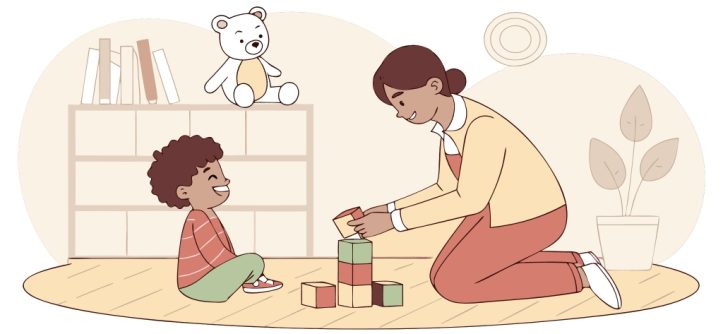
Giving Your Child an Upbringing They Deserve

Parenting is a journey filled with decisions, challenges, and countless rewarding moments, but at its heart lies one essential goal: giving your child an upbringing that nurtures their mind, body, and heart because a healthy childhood upbringing shapes not only who they are today but also who they will become tomorrow.
Understanding the Foundation of Childhood Upbringing
The earliest years of a child’s life are like the roots of a tree, which are strong, deep, and essential for stability. Your approach during these years will set the tone for their emotional resilience, moral compass, and overall well-being. A tested and scientific approach will ensure that your child has an upbringing that will be celebrated in later years.
The Emotional Bond: Building Trust and Love
Children thrive when they feel secure and loved. This emotional foundation influences their ability to form relationships and face challenges later in life, and thus their upbringing won’t leave much room for complaint.
- Show affection daily—hugs, kind words, and quality time matter.
- Listen actively; let them know their feelings are valid.
- Maintain consistent routines to build a sense of safety.
Encouraging Curiosity and Exploration
A healthy childhood upbringing gives children the freedom to explore while providing the safety they need, as encouragement fuels their desire to learn.
- Provide age-appropriate activities.
- Ask open-ended questions to spark thinking.
- Celebrate small achievements to boost confidence.
Discipline: Guiding Without Crushing the Spirit
Discipline should be about guidance and not punishment because your role is to help children understand the consequences of their actions.
- Use clear and calm explanations instead of shouting.
- Set boundaries and stick to them.
- Encourage problem-solving instead of imposing fear.
Creating a Healthy Environment at Home
Your home sets the backdrop for daily life because a safe and nurturing environment is key for a balanced childhood upbringing.
- Keep communication open and respectful.
- Display the behaviour you want to see.
- Ensure they have access to books, creative tools, and healthy food.
Childhood Upbringing While Balancing Education and Play
Learning doesn’t only happen in school, but it also happens through play. In fact, play is an essential part of brain development.
- Allow unstructured playtime to spark creativity.
- Limit screen time to encourage physical activity.
- Integrate fun into learning to make it enjoyable.
The Upbringing Capabilities of Positive Role Models
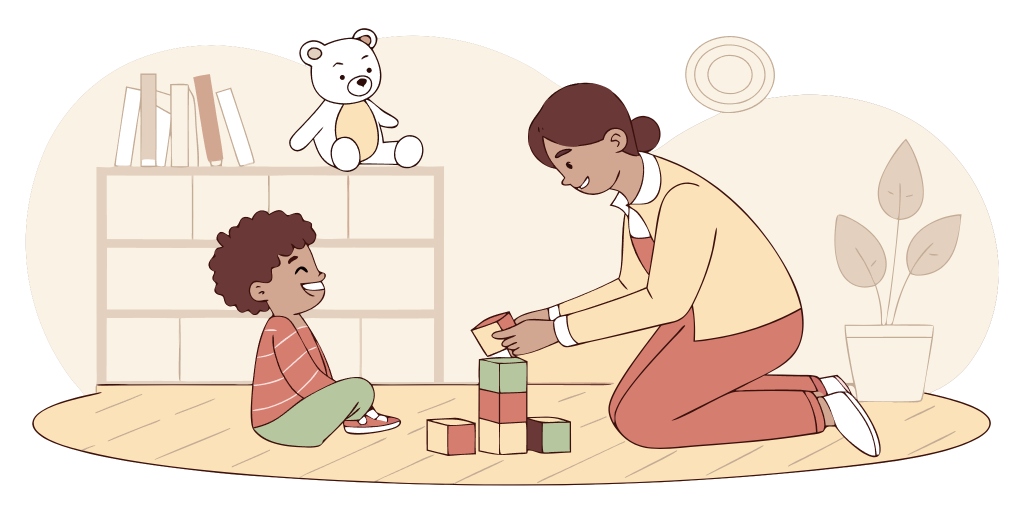
Children learn by example, and if you want them to be honest, kind, and responsible, you must consistently demonstrate these traits.
- Involve grandparents, teachers, and family friends who embody family values.
- Share stories of people who inspire you.
Nutrition and Health: Fuel for Growth
A well-balanced diet supports cognitive and physical development, as healthy meals, regular exercise, and enough sleep are essential for a strong childhood upbringing.
- Prioritise fresh, whole foods.
- Teach the value of hydration.
- Encourage outdoor activities to boost physical fitness.
Communication: The Bridge Between You and Your Child
Talk with your child but not at them because communication builds trust and helps them feel valued.
- Use simple language they can understand.
- Ask about their day and listen without interrupting.
- Discuss feelings to normalise emotional expression.
Preparing for Life’s Challenges
Life isn’t always smooth, but part of a strong childhood upbringing is teaching resilience.
- Help them see failure as a learning opportunity.
- Encourage problem-solving skills.
- Teach them to adapt without fear.
The 7777 Rule of Parenting
The 7777 Rule of Parenting is a simple mindset framework that encourages balance across four key areas of raising a child: 7 minutes of daily undivided attention, 7 acts of positive reinforcement each week, 7 meaningful conversations each month, and 7 life-skill lessons each year. It’s not about strict numbers, but about consistently showing presence, praise, communication, and guidance. By following this rule, parents can nurture emotional security, build trust, and help their children grow into confident, well-rounded individuals.
Final Thoughts
Your child’s early years form the blueprint for their future, and by focusing on emotional connection, balanced learning, healthy living, and positive role modelling, you can give them an upbringing they truly deserve. Remember that parenting isn’t about perfection; it’s about presence, patience, and genuine care.
More from us


Leave a Reply