

Technology VS Education
Technology has transformed almost every part of modern life, and learning is no exception. Today, students and teachers around the world use digital tools, online platforms, and interactive resources to make education more engaging, accessible, and effective. Understanding how to use technology in education is no longer optional. It is a necessary skill that prepares learners for the future.
From smart classrooms and digital textbooks to online courses and artificial intelligence assistants, technology has opened new doors for personalized learning and creative problem-solving. However, effectively using these tools requires strategy, responsibility, and balance. This guide explains how students, teachers, and institutions can use technology in education to upgrade learning outcomes and create powerful learning experiences.
Why Is Technology in Education Important?
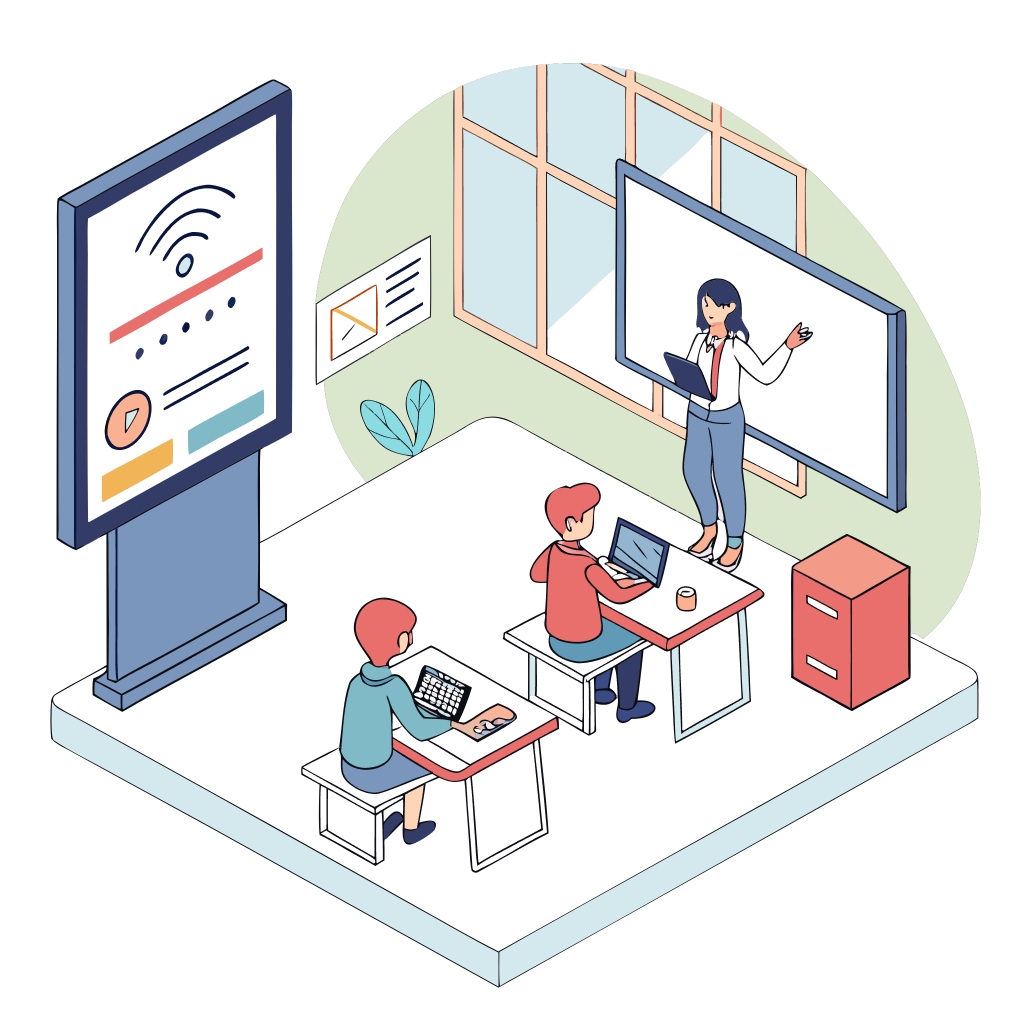
The world is becoming more digital every day, and education must evolve to match it. When used correctly, technology in education makes learning more interactive, flexible, and relevant to real-world needs. Students can explore information instantly, collaborate without limits, and develop digital skills that are essential in modern careers.
Technology also helps different learning styles thrive. Visual learners can benefit from videos and infographics, auditory learners can use podcasts and recorded lessons, and hands-on learners can experience simulations and virtual labs. As a result, technology doesn’t replace teachers but rather it supports and enhances their teaching power.
Integrating Technology in the Classroom
To successfully use technology in education, the goal should be improvement, not distraction. Teachers must introduce tools that fit learning objectives. Simple additions, such as digital slides, online quizzes, or collaborative platforms, help turn traditional lessons into active learning experiences.
Popular tools include:
-
Google Classroom for assignments and communication
-
Khan Academy and Coursera for skill-based learning
-
Quizizz and Kahoot for gamified quizzes
-
YouTube EDU for visual tutorials
-
Virtual whiteboards for group problem-solving
When students engage through multiple formats, learning becomes more memorable and enjoyable.
Encouraging Independent Learning
One of the biggest advantages of using technology in education is that it encourages self-directed learning. Instead of waiting for information from teachers, students can explore topics, watch tutorials, practice online exercises, and solve doubts through educational platforms.
Access to e-libraries, research databases, blogs, podcasts, and interactive learning apps helps students go beyond textbooks. They develop research skills and learn how to evaluate credible information and essential abilities for academic and professional success.
Improving Collaboration and Communication

Collaboration is a vital skill, and technology makes it easier than ever. Group projects can be completed online, even when members are in different locations. Platforms like Google Docs and Microsoft Teams allow real-time editing, group discussions, and feedback.
This not only strengthens teamwork skills but also prepares students for digital workplace environments. Effective use of technology in education creates confident communicators who can share ideas clearly and creatively.
Using Technology for Personalized Learning
Traditional learning methods treat all students the same, but technology introduces adaptive learning. Platforms analyze performance and offer customized exercises based on strengths and weaknesses.
Examples include:
-
Language learning apps like Duolingo
-
Math practice platforms like IXL
-
AI writing tools for grammar improvement
With personalized learning pathways, students can learn at their own pace, repeat concepts when needed, and advance faster when ready. This reduces pressure and builds confidence.
Enhancing Teaching Through Digital Assessment
Assessment is crucial for progress. With technology in education, evaluations are becoming more accurate and efficient. Teachers can track student performance, analyze progress through data, and provide feedback faster.
Digital exams, online quizzes, and instant grading tools save time and reduce bias. Teachers can also identify learning gaps and adjust lessons accordingly. This data-driven approach results in smarter teaching and better learning outcomes.
Inspiring Creativity and Innovation

Education is not just about remembering facts but it is about applying them creatively. Technology encourages students to create presentations, videos, designs, animations, music, and even coding projects. Tools like Canva, Photoshop, Scratch, Figma, and CapCut empower students to turn ideas into real digital products.
Creative expression builds confidence, improves problem-solving skills, and unlocks hidden talents. Modern workplaces value creativity as much as knowledge, so introducing digital creation tools gives students a significant advantage.
Overcoming Learning Barriers With Technology
Another major benefit of technology in education is inclusiveness. Students with disabilities or learning challenges can access tools designed to support their needs. Features like text-to-speech, subtitles, audiobooks, voice typing, screen readers, and adjustable font sizes make learning accessible to everyone.
Remote learning also helps students who live far away, suffer from illness, or have limited access to physical schools. Technology breaks geographical barriers and provides education without borders.
Maintaining Balance and Digital Discipline

While technology is a powerful tool, it must be used responsibly. Excessive use of screens can lead to distraction, reduced focus, and digital fatigue. Therefore, schools and students should set healthy rules when using technology in education.
Tips for digital balance include:
-
Using devices only for learning during class time
-
Scheduling breaks between online tasks
-
Avoiding multitasking and unnecessary apps
-
Setting screen-free hours at home
Responsible usage ensures that technology remains a benefit, not a problem.
Future Trends in Educational Technology
The future will bring even more exciting innovations. Emerging technologies such as virtual reality (VR), augmented reality (AR), artificial intelligence (AI), blockchain certifications, and robotics will redefine how students learn.
Imagine exploring ancient history through VR tours, practicing science experiments in virtual labs, or having AI tutors available 24/7. Adopting technology in education today helps prepare students for the advanced learning systems of tomorrow.
Final Thoughts
Using technology in education the right way can transform learning into an exciting, meaningful, and future-ready experience. It improves access, supports personalized learning, strengthens collaboration, and encourages creativity. When students and teachers learn how to use digital tools wisely and responsibly, education becomes more impactful and enjoyable.
Technology is not here to replace classrooms but it is here to enhance them. By combining human guidance with digital innovation, we can build a smarter and more inclusive future for students everywhere.
FAQ
1. Why is technology important in education?
Technology enhances learning by making lessons interactive, improving access to resources, and helping students develop digital skills essential for modern careers.
2. How can teachers integrate technology into the classroom?
Teachers can use digital tools such as smart boards, educational apps, online quizzes, virtual labs, and multimedia presentations to make learning more engaging and effective.
3. What are some examples of technology used in education?
Examples include tablets, laptops, projectors, e-learning platforms, educational software, AI-powered tutoring tools, and virtual or augmented reality learning systems.
4. Does technology improve student performance?
When used properly, technology supports personalized learning, helps students understand complex concepts, and can lead to better academic outcomes.
5. Is too much screen time harmful for students?
Yes, excessive use can be harmful. It’s important to balance digital learning with offline activities, breaks, and physical movement.
6. How can technology support remote or hybrid learning?
Technology enables online classes, digital assignments, cloud storage, communication tools, and collaboration platforms that keep students connected and engaged from anywhere.
7. What skills do students develop through educational technology?
Students gain digital literacy, problem-solving skills, creativity, research skills, and the ability to collaborate online.
8. How can schools ensure safe use of technology?
Implementing cybersecurity measures, monitoring online activities, teaching digital citizenship, and using secure platforms help maintain safety.
9. Is technology affordable for all schools?
Costs vary, but many affordable tools, free platforms, and government or NGO initiatives can support low-budget schools in adopting technology.
10. What is the future of technology in education?
The future includes more personalized learning through AI, immersive experiences with VR, automated grading, and smarter data-driven teaching methods.




Leave a Reply